Critique of Cartesian dualism I: Antonio Damasio’s somatic marker hypothesis

To call René Descartes a father of Western philosophy is no exaggeration. His contributions to philosophy and mathematics dominate our thought, ranging from his famous declaration 'I think, therefore I am' to his construction of the Cartesian coordinate plane. But what were once considered foundational paradigms are becoming increasingly becoming frustrated by advances in contemporary… Continue reading Critique of Cartesian dualism I: Antonio Damasio’s somatic marker hypothesis

‘Jake and Amir’ and the function of fantasy

https://www.youtube.com/watch?v=rcX0Ve9abHo   Anyone familiar with Jake and Amir, one of the most successful web series to emerge from CollegeHumor, will recognize this video as a perfect encapsulation of the eponymous characters' dynamic: Amir as the borderline-psychotic but somehow lovable counterpart to Jake's role as perpetually tormented straight man. But more than eliciting laughs, I claim that… Continue reading ‘Jake and Amir’ and the function of fantasy

Marx, social media, and the rise of Twitter-forms

In a world where information reaches us through Twitter notifications, Snapchat stories, and a perpetual breaking news cycle, a familiar pattern has developed. On a regular day, we’re presented with an urgent news report — some important event happened somewhere in America, we’re told — and suddenly, public discourse becomes fixated on a specific topic.… Continue reading Marx, social media, and the rise of Twitter-forms

The hero and the witch: the psychodynamics of fairy tales

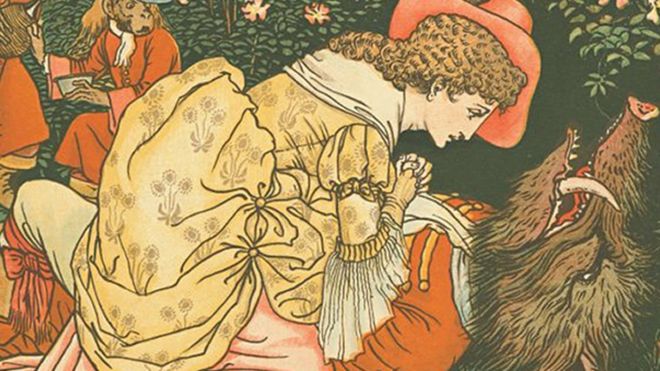
Child psychologist Bruno Bettelheim belongs to a diverse group of Freudians who sought to apply psychodynamic theory to the study of literature. In his 1975 book The Uses of Enchantment, Bettelheim not only narrates traditional fairy tales through the lens of psychoanalysis, but — consistent with his position as director of Chicago's Orthogenic School for Disturbed… Continue reading The hero and the witch: the psychodynamics of fairy tales

‘Death of Stalin’ and the big Other

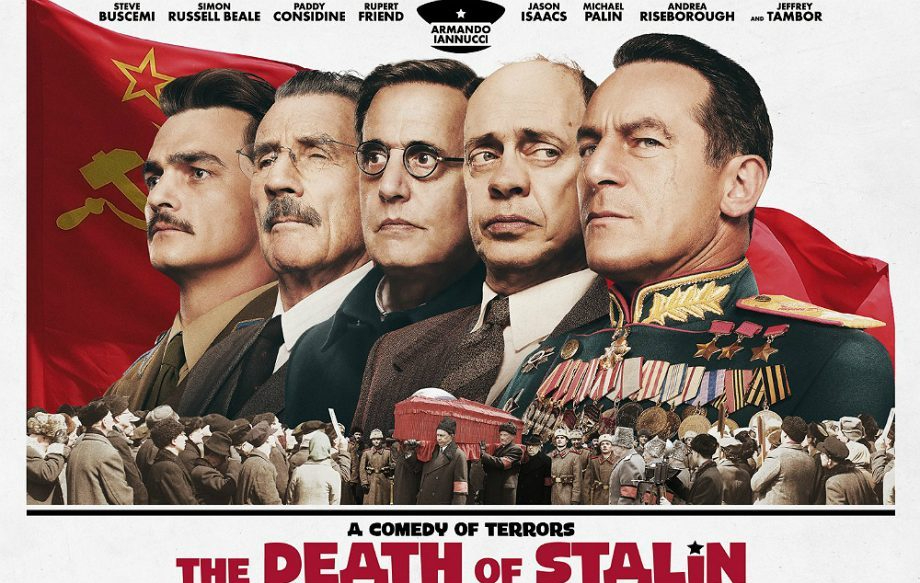
Lovers of history and satire alike would be well served watching Armando Iannucci’s latest project Death of Stalin, now playing at the Michigan Theater. Crafted with an eye for historical accuracy, the film chronicles the intense and bizarre struggle for power following Joseph Stalin’s death in 1953. But between its informative transitions and hilariously improvised… Continue reading ‘Death of Stalin’ and the big Other